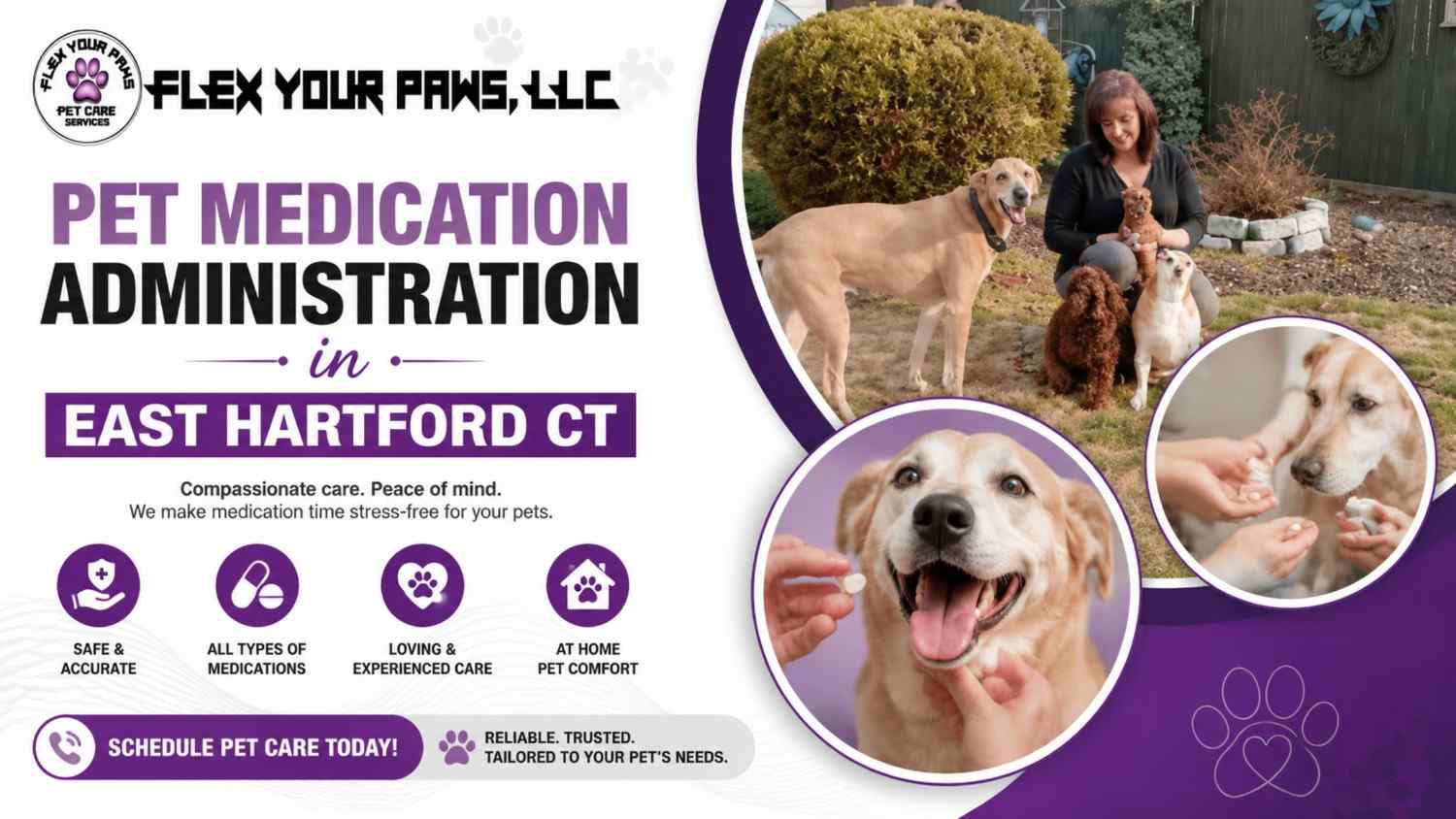
7 Expert Tips for Safe Pet Medication Administration in East Hartford CT
Posted by: Richier Tags: no tags | Categories: Pet medication administration in East Hartford
23
Giving a pet medication can sound easy, until you are there with the squirming dog or the cat that suddenly seems, you know, to gain almost superhuman strength just from seeing the pill bottle. Learning safe pet medication administration in East Hartford CT is, honestly, something every pet owner ought to know and practice, whether you’re doing a quick run of antibiotics or handling a long-term situation such as arthritis or diabetes.
So this guide kind a breaks down seven practical , expert backed tips so that the whole medication time becomes less stressful, not only for you but for your pet too. And each tip is based on real, everyday situations, like stuff you actually run into, not that kind of foggy advice you have already seen a dozen times somewhere else.
By the end of this article, you will know how to handle common medication challenges, avoid dangerous mistakes, and recognize when it makes sense to bring in professional help.
Why Medication Mistakes Happen So Often
Most medication errors arent because someone is being careless or anything, its more that pet owners are juggling these busy schedules and whatever else, plus the instructions can be kinda unclear, and then you’ve got a pet that just wont cooperate, like at all. So yeah, it goes that way, messy and stressful, even when everyone is trying.
Common issues include:
- Splitting pills incorrectly, leading to uneven dosing
- Forgetting doses during hectic mornings or evenings
- Mixing medications with food that interferes with absorption
- Stopping treatment early once symptoms improve
- Misreading dosage instructions written for a different weight range
Because these mistakes are so common , understanding the basics of safe pet medication giving in East Hartford CT can help stop small slip ups from turning into bigger health problems , ya know .
Tip 1: Always Confirm the Dosage Before Giving It
Before giving anything at all, double check the dosage against what your veterinarian said, because yeah it really matters. With weight based medications especially, you want exact measuring, since even a tiny miscalculation can lead to either under treatment or toxicity—so don’t just eyeball it.
If a label seems unclear or the dosage looks different from what you remember discussing, call your vet's office rather than guessing. This single habit prevents the majority of at-home dosing errors.
Tip 2: Use the Right Tools for Liquid and Pill Medications
Kitchen spoons really aren’t accurate enough for liquid meds, and when you cut pills by hand, it often ends up with uneven little chunks, you know. Instead, use the dosing syringe or the cup they give you from your pharmacy. If your pet prescription means tablets need splitting ask them for a pill cutter too, because that’s usually far more reliable .
For pets that resist pills entirely, pill pockets or flavored compounding options can make the process smoother without compromising the dose.
Tip 3: Create a Consistent Medication Schedule
Pets tend to respond pretty well to routine, and meds are kinda the same thing. When you give the dose at the same time each day it keeps the levels more steady in the bloodstream, and that matters a lot, especially for long term issues like seizures or thyroid problems.
A simple checklist or phone reminder can prevent missed doses, particularly during busy weeks. Consistency also makes it easier to notice side effects early, since you will know what "normal" looks like for your pet's daily rhythm.
Tip 4: Watch for Side Effects and Know When to Call the Vet
Every medication has some degree of risk for side effects, from mild stomach irritation to more serious reactions, that’s just kind of the deal. When you pay attention to your pet’s normal routine and mood, it becomes easier to catch those “something is weird” moments earlier.
Signs worth watching include:
- Vomiting or diarrhea after dosing
- Unusual lethargy or restlessness
- Loss of appetite lasting more than a day
- Swelling, hives, or difficulty breathing
If any of these appear, contact your veterinarian right away rather than waiting to see if symptoms pass on their own.
Tip 5: Store Medications Properly to Maintain Effectiveness
Bad storage can lower a medication’s potency a lot, or it might become risky, you know, even dangerous. A few medications need to be kept chilled in refrigeration, while others really should be kept far from direct sunlight or excess humidity.
Always check the label for storage instructions, and keep medications out of reach of children and curious pets. Expired medications should never be used, since their potency and safety cannot be guaranteed.
Tip 6: Communicate Clearly With Everyone Involved in Care
If more than one person helps care for your pet, whether a family member, pet sitter, or caregiver, clear communication prevents duplicate or missed doses. A written log noting the time, dose, and any observations keeps everyone on the same page.
Tip 7: Ask for Professional Guidance When Needed
Some pets may resist medication or require more complex treatment routines. If administering medication at home becomes difficult, professional support can make the process safer and less stressful.
Why Choose Flex Your Paws LLC for Pet Care Support
Having to manage medication times by yourself can feel kinda daunting, especially when your pets have long term issues or more than one prescription. Safe Pet Medication Administration has put in years of work right beside local pet owners, gaining practical know how across the board—starting from everyday dosing to those more complicated, multi-step care routines.
Clients choose us because we offer:
- Hands-on experience with pets of all temperaments, including anxious or resistant animals
- Clear communication with families about medication schedules and progress
- Flexible scheduling that fits around work and family commitments
- A genuine commitment to each pet's comfort, not just task completion
For pet owners who want reassurance that their animal is receiving accurate, safe pet medication administration in East Hartford CT, professional support offers real peace of mind alongside better health outcomes.
Final Thoughts - Safe Pet Medication Administration
Medication doesn’t have to turn into some kind of stressful daily slog. With the right tools , a steady routine, and a real grasp of what your pet needs, most bumps and frictions end up becoming manageable, little by little over time. That said, there are still some moments where you really do need an extra pair of hands, or a more specialized bit of know how.
Whether you are managing a short-term prescription or a lifelong condition, safe Flex Your Paws LLC should always come first. Proper medication care helps protect your pet’s well-being and gives you greater peace of mind. It can help keep treatment consistent while reducing the stress and worry that often come with managing your pet’s medication.